

The Role of Roofing Material in Determining Replacement Frequency
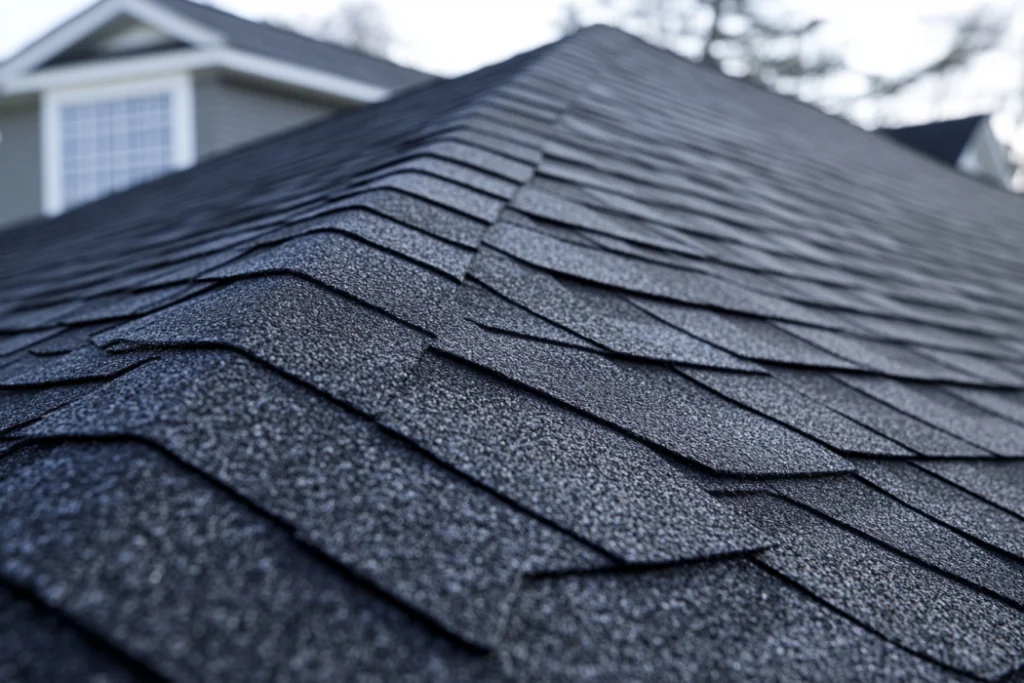
The lifespan of a roof varies widely and is mostly determined by the materials used. Asphalt shingles, the most common roofing material, typically last between 15 and 30 years. Metal roofs, on the other hand, can span up to 50 years or more. Clay tiles and slate often endure for over 60 years. Other factors such as installation quality and maintenance also play major roles. Regular inspections will help you monitor your roof’s condition and predict when a roof replacement might be needed.
Weather and Environmental Impact on Roof Longevity
Climate and environmental conditions can either shorten or prolong your roof’s expected service life. For example, homes exposed to frequent storms, high winds, or extreme temperature fluctuations may require roof replacement sooner than those in milder regions. Similarly, constant sun exposure can lead to faster wear and fading, while areas prone to heavy rainfall or humidity might experience issues like moss or algae growth. Being aware of these local challenges is essential for effective roof care and planning.
Warning Signs That Signal You Need a New Roof Soon
Recognizing when your roof is reaching the end of its lifespan is crucial for protecting your home. Common warning signs include missing or curling shingles, leaks or water stains on ceilings, and significant granule loss. Sagging areas and visible daylight through the attic are also strong indicators that roof replacement is imminent. Don’t ignore these red flags, as delaying necessary repairs could lead to costly damage to your home’s interior and structure.
The Value of Regular Inspections and Preventative Maintenance
Routine maintenance and proactive inspections can add years to your roof’s life, postponing the need for a full roof replacement. Professionals recommend an annual inspection, especially after major storms or weather events. Maintenance tasks like cleaning the gutters, removing debris, and replacing damaged shingles help maintain your roof’s integrity. Early detection of issues is far less expensive than emergency repairs and helps you plan for future expenses with confidence.
Making the Right Decisions for Your Home’s Future
Ultimately, how often your house needs a new roof depends on a mix of material, climate, and upkeep. By addressing minor issues early and understanding your roofing material’s average lifespan, you can maximize your roof’s performance and avoid unexpected costs. When it does come time for a replacement, invest wisely in quality materials and professional installation to ensure your new roof stands the test of time. Regular attention means a safer, more resilient home for years to come.