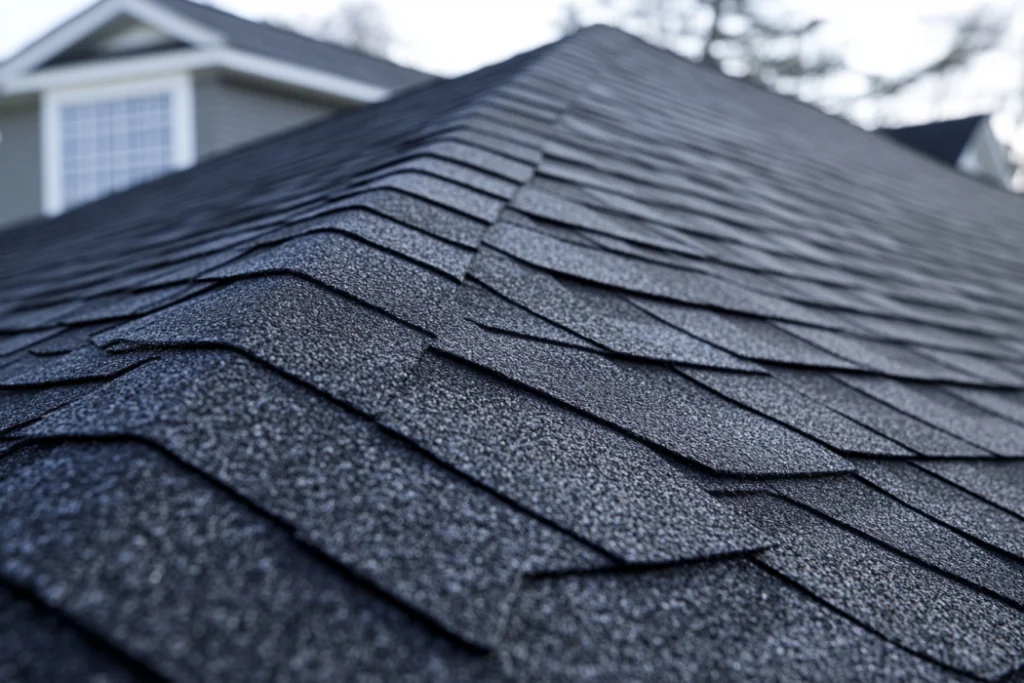
Understanding the Immediate Impact of Storms on Roofs
Storms can wreak havoc on a home’s roof, leaving both visible and hidden damage that must be addressed promptly. Heavy winds, torrential rain, hail, and debris all contribute to roof deterioration. After storm damage, it’s crucial for homeowners to inspect their roofs for obvious problems as well as subtle changes. Immediate attention can prevent small issues from escalating into costly repairs and helps protect the home’s interior from water intrusion and further deterioration.
Shingle Loss and Damage Are Frequent Issues
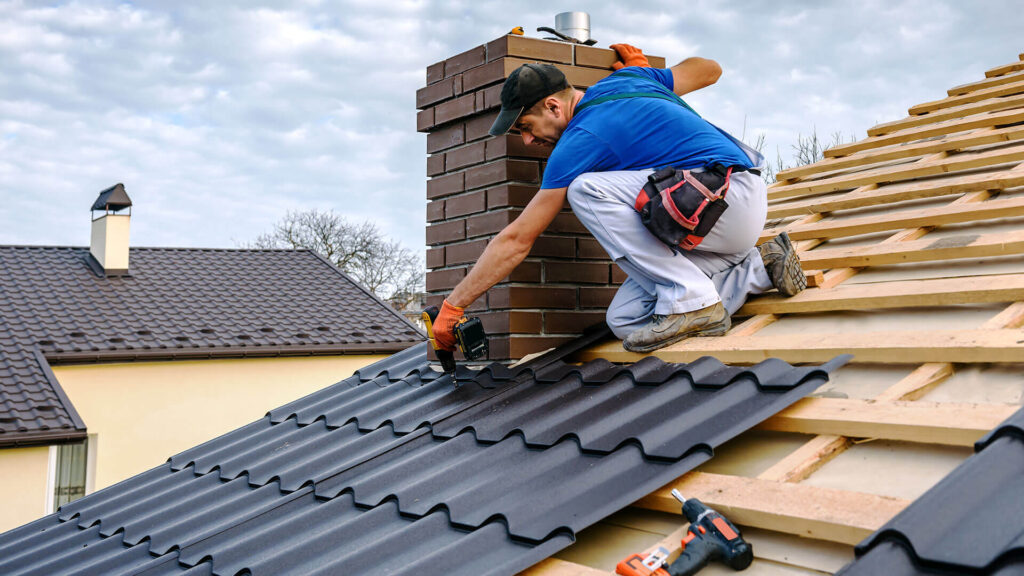
One of the most common repairs after a storm involves damaged or missing shingles. High winds can lift or completely remove shingles, leaving the underlying roof vulnerable to water leaks. Hail can cause cracking, bruising, or puncturing of the shingle surfaces. Repairing or replacing these affected shingles is essential to restore the roof’s barrier against the elements and maintain its lifespan. Carefully matching new shingles to the existing roof also helps preserve the home’s curb appeal.
Flashing and Sealant Problems Lead to Leaks
Flashing refers to the metal strips installed around roof joints, chimneys, and vents to prevent water penetration. During severe weather, these protective features can be bent, loosened, or torn away. Similarly, the sealants around them may become compromised, leading to leaks that can damage walls, ceilings, and insulation. After storm damage, a thorough inspection of flashing and sealant integrity is key, and prompt repairs should be made to avoid further interior problems.
Gutters and Downspouts Often Suffer From Storms
Gutter systems play a vital role in channeling water away from the house. Unfortunately, storms frequently leave gutters bent, clogged, or detached from the roof edge. Hail and flying debris can cause dents or holes, while excessive rainfall may loosen gutter fasteners. Repairing (or replacing) damaged gutters and downspouts after storm damage ensures water flows safely, keeping your roof, siding, and foundation protected from moisture accumulation and erosion.
Addressing Hidden Structural and Attic Problems
Some of the most serious roof issues after a storm aren’t immediately visible. Water infiltration can damage roofing underlayment, attic joists, and insulation, creating conditions for mold and rot. Even minor leaks may result in costly repairs if not detected early. Homeowners should have a professional assess the attic and roof structure after major storms to identify and remedy these hidden problems, ensuring the home remains safe and structurally sound.
Proactive Repairs Keep Your Home Protected
Timely and targeted repairs following storm damage are crucial for maintaining the integrity of your roof and overall home. By addressing issues such as shingle loss, compromised flashing, gutter damage, and hidden structural problems quickly, homeowners can prevent more extensive and expensive repairs down the road. Regular inspections and immediate action after storms help safeguard your investment and provide valuable peace of mind.